

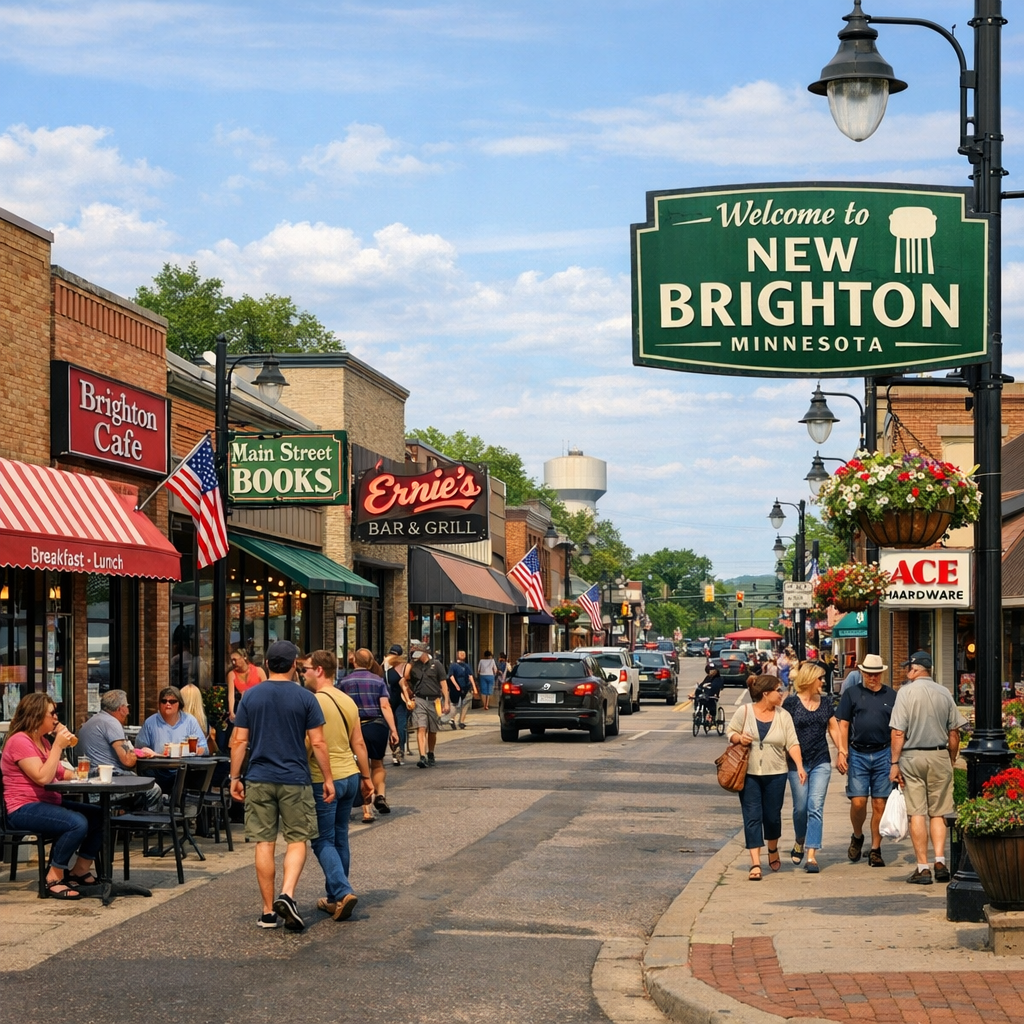
New Brighton, Minnesota, strategically located between Minneapolis and Saint Paul, offers a unique blend of suburban tranquility and urban accessibility. This positioning has fostered a dynamic business environment, characterized by diverse industries and a resilient housing market.
Economic Overview
As of 2024, New Brighton’s economy employed approximately 12,000 individuals. The leading sectors include:
- Health Care & Social Assistance: Employing 1,784 residents, this sector underscores the city’s commitment to health services.
- Manufacturing: With 1,480 employees, manufacturing remains a cornerstone of the local economy.
- Professional, Scientific, & Technical Services: Engaging 1,224 individuals, this sector highlights the city’s growing emphasis on specialized services.
Notably, the Professional, Scientific, & Technical Services industry offers the highest average annual salary at $111,154, reflecting the value placed on specialized expertise.
Housing Market Dynamics
The housing market in New Brighton has demonstrated resilience and growth. In March 2026, the median sale price of homes reached $407,000, marking a 3.6% increase from the previous year. Homes are selling faster, with an average of 13 days on the market, down from 23 days the prior year. This trend indicates a competitive market, appealing to both buyers and sellers.
Support for Local Businesses
The City of New Brighton actively supports its business community through various initiatives:
- Open to Business Program: This initiative offers assistance in areas such as start-up and expansion financing, business plan development, and regulatory compliance. It’s designed to help both new and existing businesses navigate the complexities of entrepreneurship.
- Economic Development Resources: The Department of Community Assets and Development (DCAD) provides resources and support to foster a healthy business environment. They work closely with businesses to develop plans that encourage growth and sustainability.
For more information or assistance, businesses can contact the DCAD at 651-638-2059 or email Ben Gozola, Assistant Director of the Department of Community Assets and Development.
Conclusion
New Brighton’s economic landscape is marked by a diverse industrial base, a robust housing market, and proactive support for businesses. These factors collectively contribute to a thriving community, making it an attractive destination for entrepreneurs and residents alike.